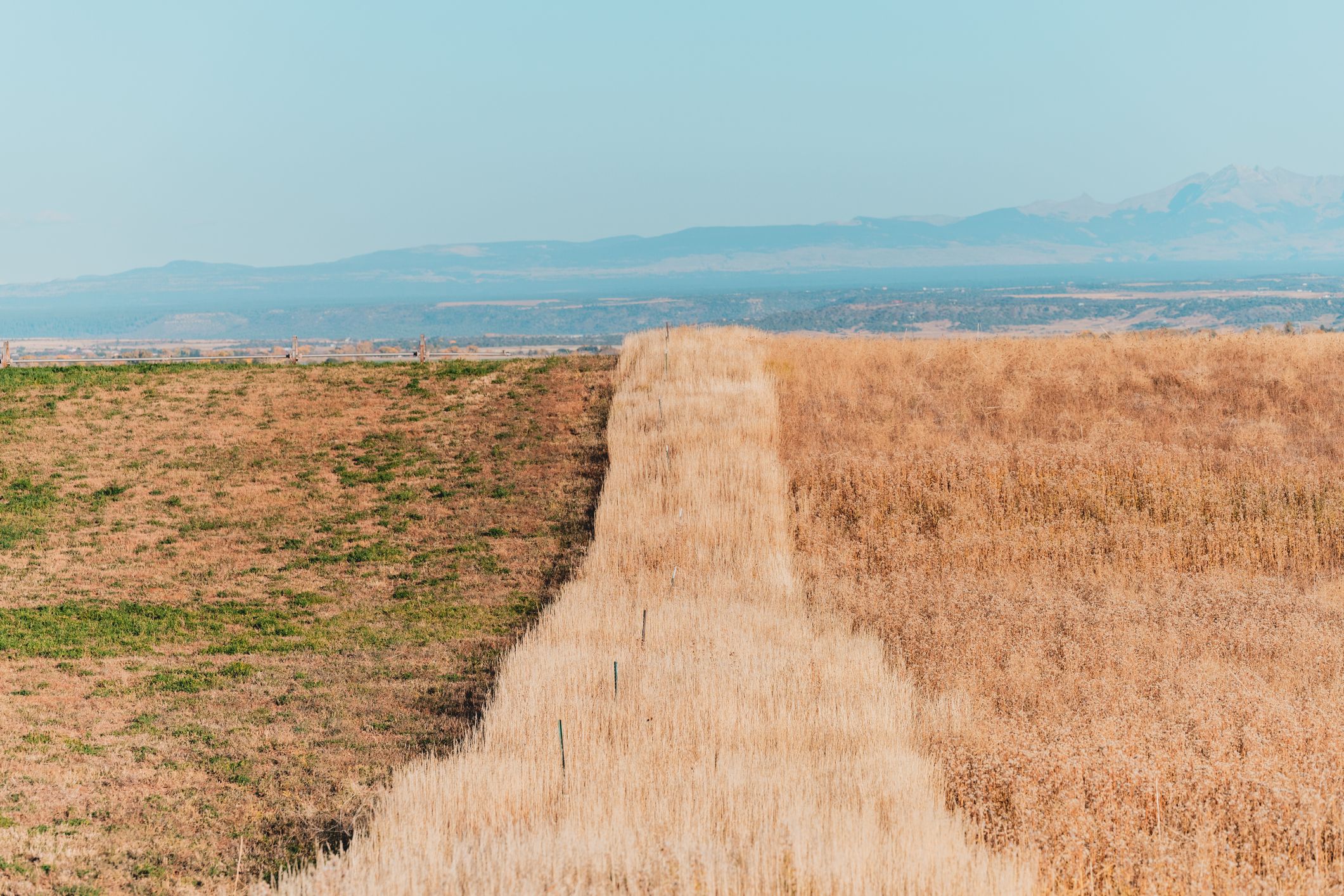
Building resilience on New Mexico’s working lands.
Our Land Initiative supports the farmers, ranchers and partners building a climate-resilient, water-secure future for New Mexico’s working lands.
Thornburg Foundation seeks to support and sustain resilient working lands and thriving ranching communities by advancing regenerative stewardship, strengthening ranch viability across generations, and demonstrating measurable impact for producers, landscapes, and communities.
Get Land updates
Grant announcements and news from this initiative.
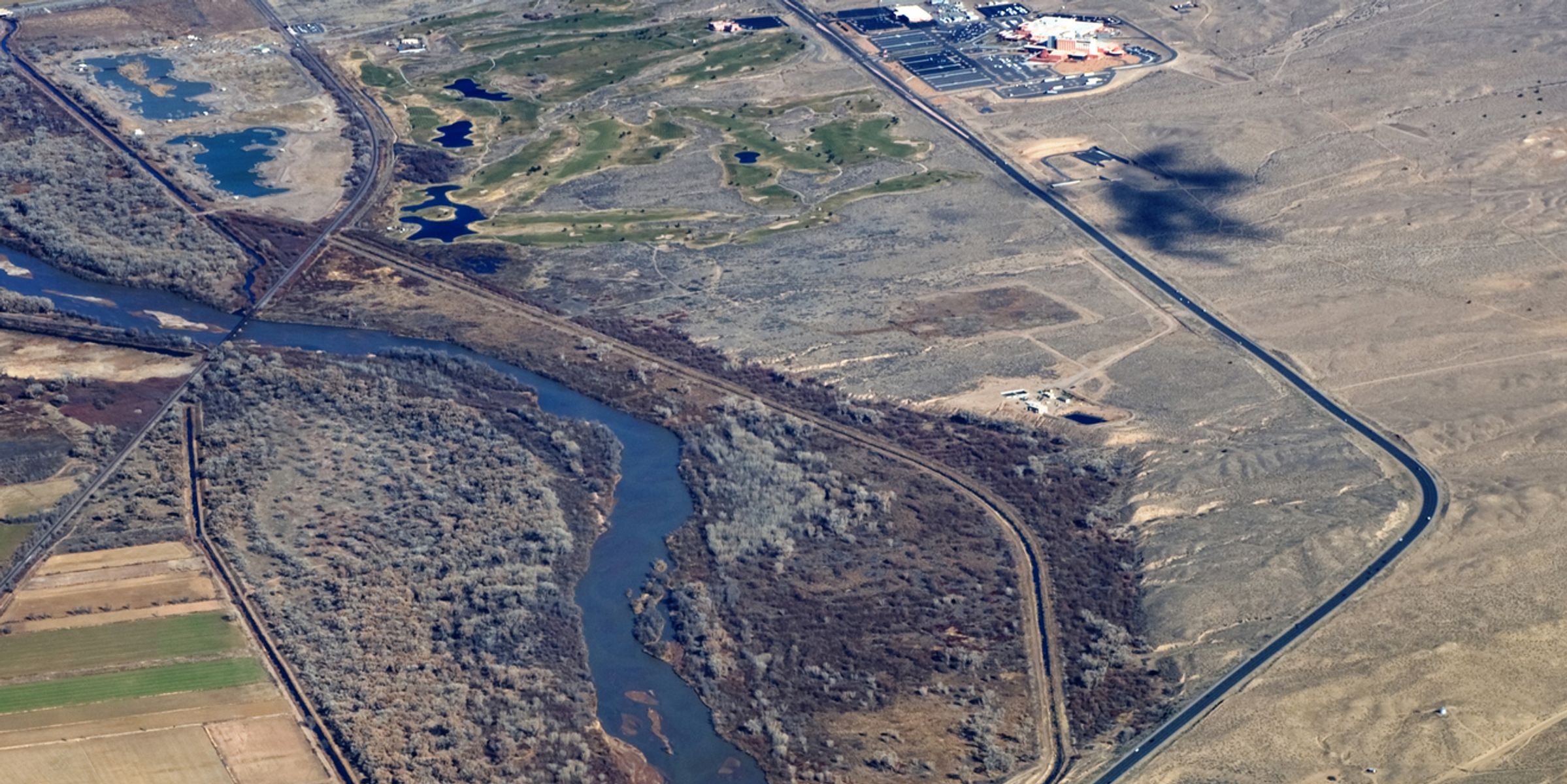
A climate-resilient, water-secure future for New Mexico’s working lands.
New Mexico’s farmers and ranchers are navigating pressure from every direction at once.
Closing these gaps requires sustained investment in partner capacity, new financing and market models, and a pipeline that prepares the next generation of producers to carry this work forward.
Environmental pressures
New Mexico's farms and ranches face mounting pressure from a changing climate — prolonged drought, water scarcity and increasingly extreme weather — that makes the shift to resilient, water-conserving practices more urgent even as those same pressures strain the systems meant to support that shift. In New Mexico, agriculture and water are inseparable: no water, no farming.
Structural and economic pressures
Recent reductions in federal capacity and program structures — including Natural Resources Conservation Service (NRCS) staffing cuts and changes to programs like the Climate Smart Commodities initiative — are increasing pressure on the nonprofits, conservation districts and other partners who deliver technical assistance and monitoring support on the ground. Farmers and ranchers also face persistent capital and market barriers that make the transition to regenerative practices harder to sustain economically, even as legislative and state-level interest in supporting this transition grows.
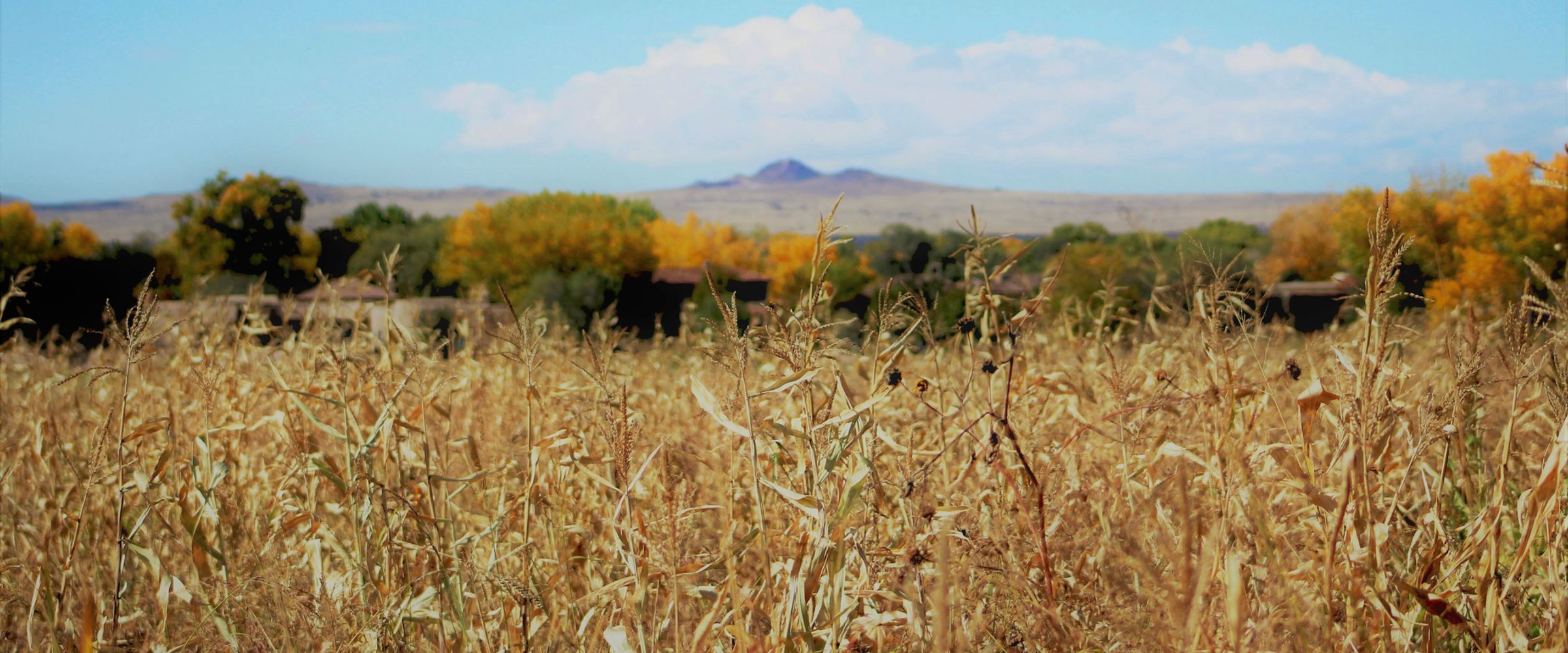
Three connected strategies.
The Foundation strengthens resilience by supporting organizations that provide technical assistance, policy advocacy and collaborative planning across agriculture, water and natural resource sectors.
Regenerative Ranching & Farming and Rangeland Resilience
Increase the adoption of regenerative grazing and land management practices, support rangeland and soil health improvement, and advance technical assistance opportunities to help farmers and ranchers succeed.
Ranch and Farm Viability, Capital, and Land Continuity
Increase access to capital and market tools that keep working farms and ranches solvent, including drawing down available federal and state conservation dollars, bridge funding for cash-poor producers, and income diversification through ecosystem-service markets and related opportunities. Pair this with land-access, succession, and transition planning that keeps working lands in production, with particular attention to barriers facing small-scale, tribal, and historically underserved producers. Advance apprenticeship models with clear accountability for outcomes.
Measurable Impact & Data Infrastructure
Support the development of shared metrics, monitoring, and a regenerative agriculture inventory so the Foundation and its partners can demonstrate, in concrete terms, how many producers and acres are being reached and what outcomes are resulting.
Land of Enchantment Legacy Fund
The Legislature continues investing in conservation and regenerative agriculture through the Land of Enchantment Legacy Fund. Its first distribution — $12.5 million in FY25 — supported 185 conservation projects reaching 93% of New Mexico counties, with 80% in rural areas and 10 Tribal communities benefiting. On the ground: more than 64,905 acres improved, including 10,751 acres of agricultural land through the Healthy Soil Program.
A Voice for Producers
When federal policy shifts threatened agriculture in early 2025, we asked producers what they needed — and brought more than 200 farmers and ranchers together for a statewide convening. What emerged: producers needed a consistent voice connecting them to decision-makers. A strategic grant to Farm to Table now supports monthly gatherings with New Mexico’s congressional delegation, in-depth briefings and ongoing communication.
Working at the Water Nexus
Agriculture accounts for 88% of New Mexico’s consumptive water use, so our Land and Water initiatives work in close partnership — making joint grants, sharing research and convening stakeholders on agricultural water resilience.
Featured Projects
 Zach Altman
Western Landowners Alliance
Founded by landowners, WLA advances policies and practices that sustain working lands, connected landscapes and native species across the West — providing decision-makers with the know-how and constituent support to incentivize innovative land management in New Mexico.
Visit Western Landowners Alliance ↗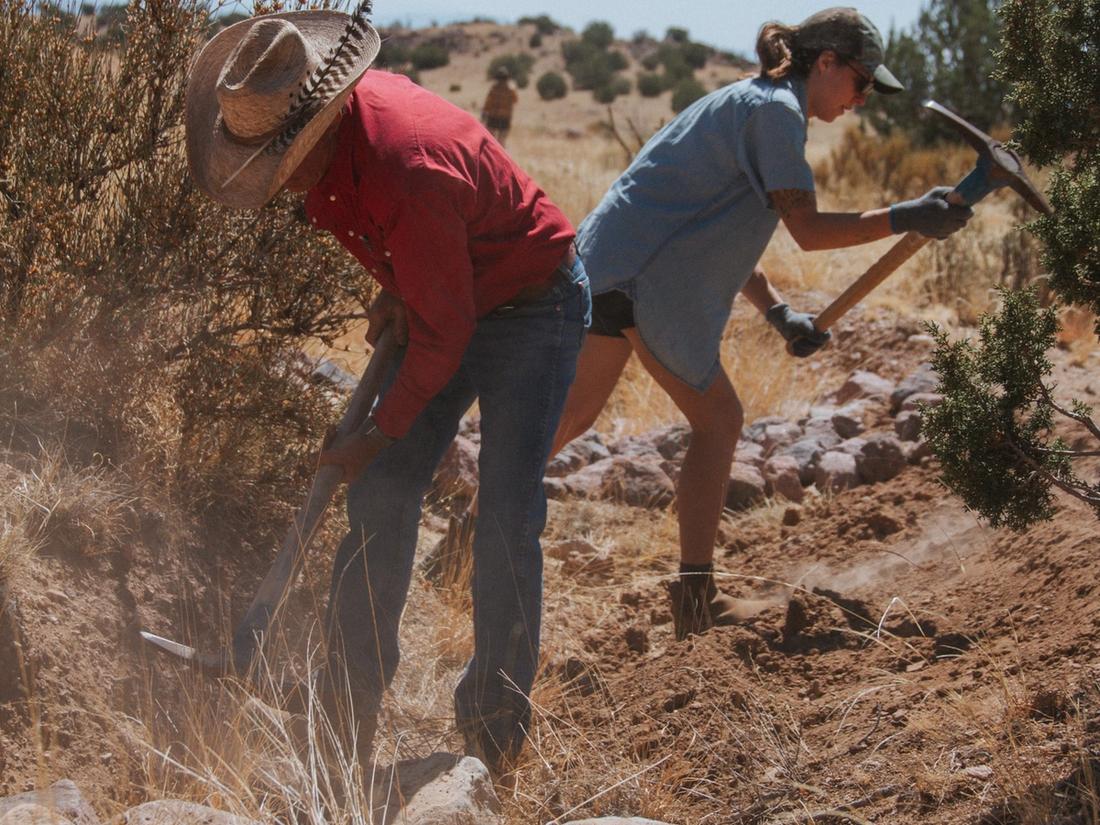
Quivira Coalition
Quivira builds resilience on western working landscapes through regenerative agriculture education, producer leadership and land-health demonstration — including its New Agrarian apprenticeship program training the next generation of ranchers and land stewards.
Visit Quivira Coalition ↗
Rio Grande Agricultural Land Trust
RGALT permanently protects working farms and ranches along the Rio Grande corridor through conservation easements, keeping agricultural land in production and preserving the water, wildlife habitat and rural heritage it sustains.
Visit Rio Grande Agricultural Land Trust ↗