A stable, safe and dignified home for every New Mexican.
Our Housing Initiative invests in the governance, coalitions and protections that build housing New Mexicans can find, afford and keep.
Thornburg Foundation envisions a New Mexico where every person has a stable, safe and dignified home.
Get Housing updates
Grant announcements and news from this initiative.

Functional zero: a New Mexico where homelessness is rare and brief.
New Mexico’s housing crisis is the result of disinvestment in housing over time.
The state’s housing crisis, with rents rising at twice the national rate, inventory down by nearly half and homelessness climbing at more than double the national pace, reflects systemic failures that no single city, county or sector can solve alone.
No coordinated strategy
No single entity is responsible for aligning a statewide housing strategy, tracking progress or translating housing data into a coherent policy agenda. Significant public investment is undercut by a fragmented policy environment, and the regulatory barriers constraining supply are not being addressed at the same pace as the capital meant to increase it.
A regulatory environment that constrains supply
Regulatory costs can add up to 30% of the price of a new home. Between 2010 and 2020, single-family detached homes made up 82% of residential permits statewide, even though lower-income households are three times more likely to need multifamily housing. Zoning codes, permitting delays, density restrictions, parking minimums and the absence of by-right approvals for the homes New Mexico most needs all limit supply. The state also lacks land bank enabling legislation, so municipalities cannot strategically acquire and redevelop vacant and blighted property. We cannot invest our way out of a regulatory problem.
No protected revenue stream
New Mexico’s housing investment is almost entirely appropriations-based. It must be re-won in the Legislature every year, competes with every other budget priority and has no floor protecting it from future shortfalls. By contrast, Colorado’s Proposition 123 dedicates roughly $300 million annually from a protected revenue stream. A dedicated, protected revolving fund for housing and homelessness would break the cyclical, fragmented nature of the state’s current appropriations-based investments.
Insufficient protections for tenants
New Mexico’s tenant protection framework is both incomplete and largely unenforceable. The Mobile Home Park Act establishes rights around rent increases, evictions and notice, but no state agency is empowered to investigate violations, leaving residents to bring private civil litigation they often cannot afford. Eviction filings have been shown to rise by as much as 40% in the months following a manufactured home community sale, and more than half of seniors renting in these communities are now cost-burdened, up from 41% in 2019 to 54% in 2023. The expiration of pandemic-era rental assistance has removed one of the primary buffers that kept evictions in check.

Four connected strategies.
Our Statewide Housing Initiative advances a coordinated, multi-pronged strategy to build the governance structures, reform coalitions, regional capacity and tenant protections New Mexico needs to produce and preserve housing for people at every income level.
Advancing Statewide Housing Governance
We believe that improved governance infrastructure makes all other housing reform possible: a consolidated statewide housing strategy that is actually implemented, and efforts to reform land use, zoning and tax policy. Without this foundation, state investment in housing production will keep running up against the fragmented policy environment that helped create the crisis.
Supporting a Statewide Reform Coalition
We support a broad, cross-sector housing reform coalition with shared goals, a common understanding of the problem and its solutions, an agreed-upon agenda with bipartisan support and the capacity to build public understanding around housing production and homelessness.
Closing Regional and Local Capacity Gaps
Many municipalities, especially smaller cities and rural communities, lack the capacity to rewrite zoning and land use ordinances, streamline permitting, design housing incentives or navigate complex statutes on blighted property. We fund technical assistance providers to build that capacity directly, including data infrastructure, tracking systems for production and approval timelines, and tools that help municipalities use bonding authority and publicly owned land for housing.
Protecting Existing Housing and Tenants
We are focused on long-term structural protections that stabilize the housing the state already has: strengthening the Mobile Home Park Act, increasing the Attorney General’s authority to enforce tenant protections, building incentives for landlords to lease to voucher holders, supporting tribal and rural housing preservation and developing tenant resource libraries and redress mechanisms. The manufactured housing sector, 16% of the state’s housing stock, is a particular focus given the accelerating risk of displacement from corporate acquisition of land-lease communities.
Matching Investment with Reform
Recent legislative sessions have committed hundreds of millions of dollars to housing, but capital alone cannot fix a regulatory problem. Our strategy pairs that public investment with the land use reform, coordinated governance and tenant protections needed to make it work, so the homes New Mexico funds can actually be built and the homes it has can be preserved.
Bringing Sectors to the Same Table
For the first time, homebuilders, affordable housing nonprofits, lenders, realtors, chambers of commerce and local governments are working from a shared pro-housing agenda. The aspiration is a New Mexico where homelessness advocates and housing industry leaders testify in support of each other’s legislative priorities.
Protecting People Where They Live
With roughly 357,299 New Mexicans living in manufactured homes across 681 communities, and a growing share of those communities owned by out-of-state investors, we support the legal expertise, resident organizing and Know Your Rights education that keep families in their homes.
Featured Projects
Housing Abundance Coalition
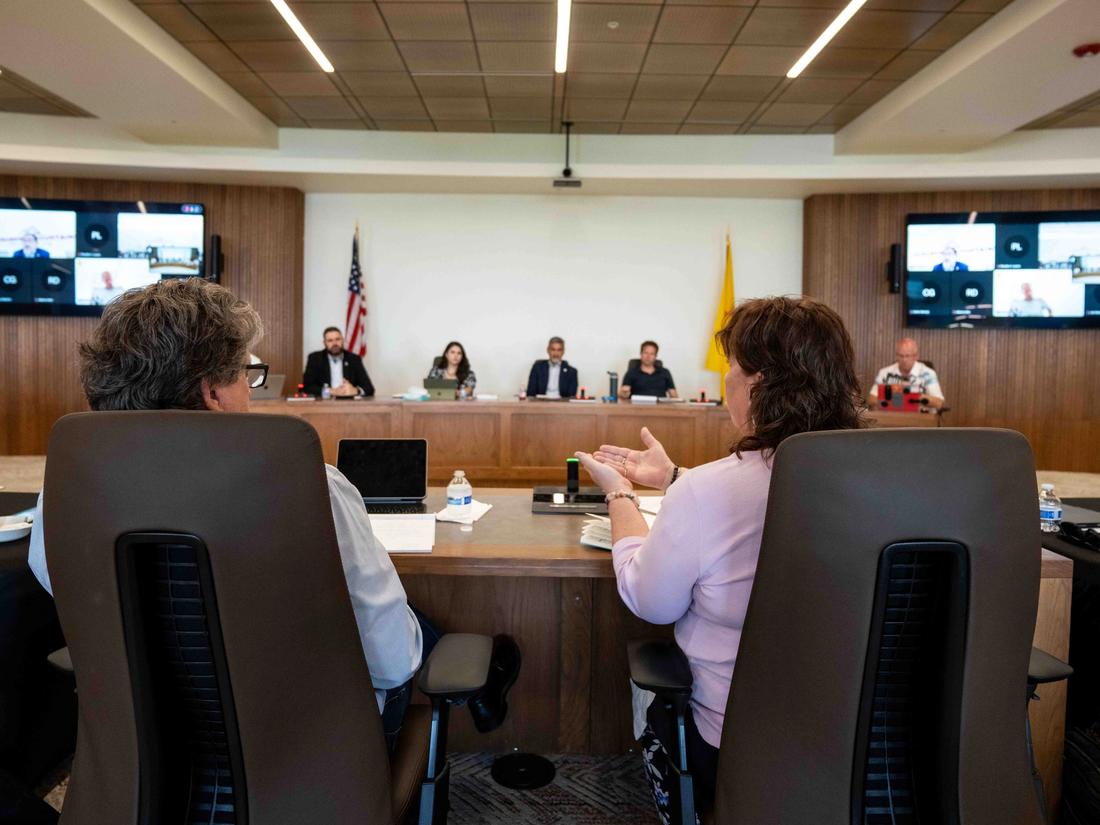
A Cross-Sector Platform for Housing ReformConvened with support from the New Mexico Building Industry Institute and the New Mexico Home Builders Association, the Housing Abundance Coalition is the first serious effort to build a credible, cross-sector housing reform platform in the state. It brings homebuilders, affordable housing nonprofits, CDFIs, lenders, realtors, chambers of commerce, Housing New Mexico and local governments around a shared agenda, developing a statewide policy platform and convening regional stakeholders ahead of the 2027 session.
Visit Housing Abundance Coalition ↗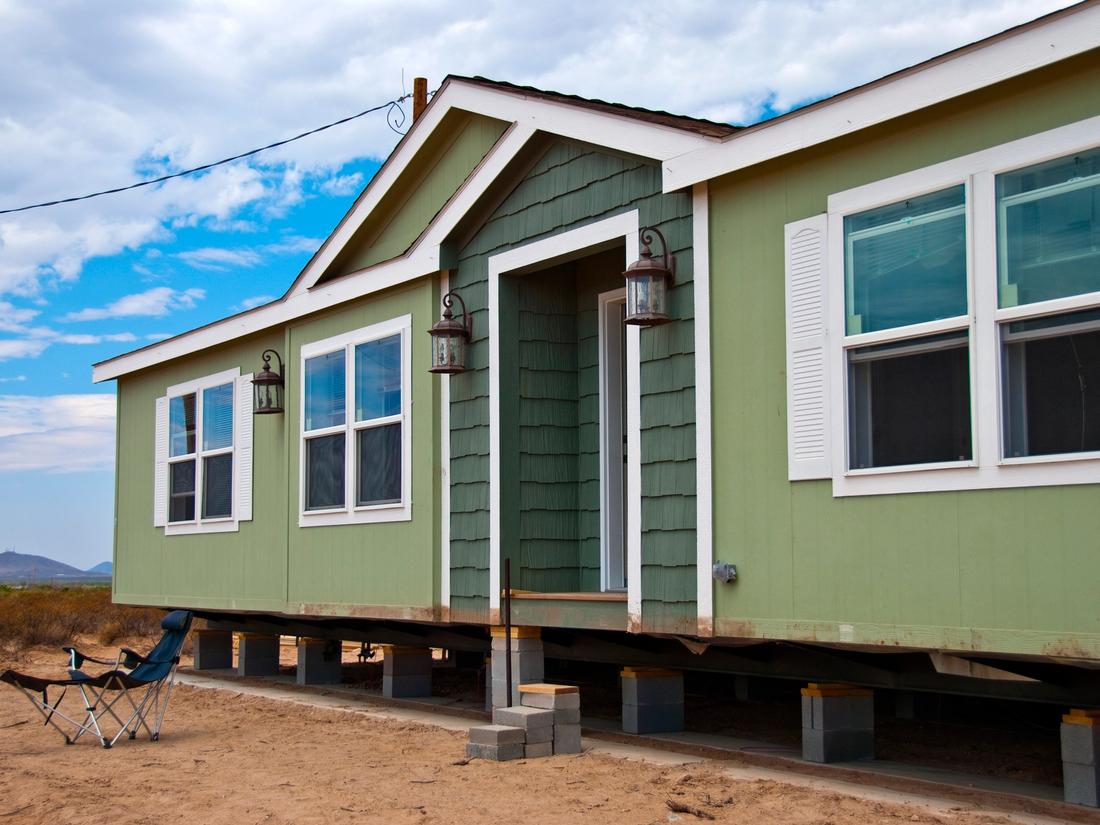
New Mexico Center on Law and Poverty
Defending the Rights of Manufactured Home ResidentsNMCLP is the state’s leading legal expert on manufactured housing rights and our most direct investment in tenant protection. Through community documentary screenings, Know Your Rights workshops and education on the resident-owned community model, the organization reaches residents across New Mexico. It also convenes the New Mexico Housing Alliance, a coordination table of nearly 30 organizations that is itself a meaningful piece of the state’s housing advocacy infrastructure.
Visit New Mexico Center on Law and Poverty ↗
Natalie Florence
Housing Policy Officer“We cannot invest our way out of a structural problem. Our housing work pairs public dollars with the governance, land use reform, and tenant protections New Mexico needs, so every resident has a real path to a stable, safe, and dignified home.”